Red light therapy guide | 2026 skin results & tips
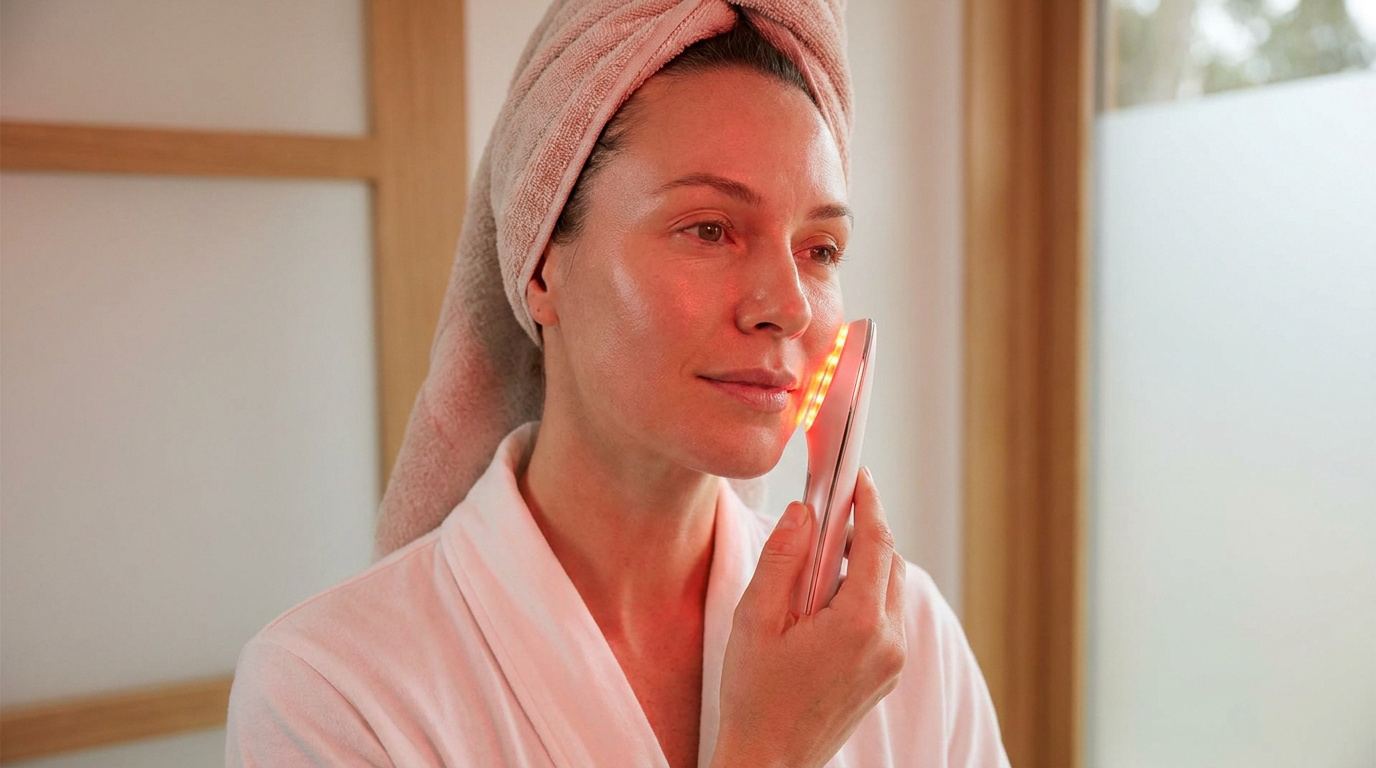
Key takeaway: Facial red light therapy uses 630-850nm wavelengths to stimulate mitochondrial ATP production, effectively accelerating collagen synthesis and cellular repair. This non-invasive process reduces wrinkles and inflammation over 8-12 weeks of consistent use. For safety and efficacy, prioritize FDA-cleared devices with high irradiance levels to ensure deep tissue penetration and visible, long-term skin rejuvenation.
Scientific research dating back to the 1960s confirms that specific light wavelengths, particularly between 630 and 850nm, can stimulate cellular energy by activating the cytochrome c oxidase enzyme. This biological process, known as photobiomodulation, allows skin cells to repair themselves and produce collagen at a significantly higher rate.
The challenge lies in finding a device with sufficient irradiance to actually trigger these results through the skin barrier. We will examine how facial red light therapy works at a mitochondrial level and help you select the right equipment.
- Facial Red Light Therapy and Its Cellular Science
- 3 Skin Results That Actually Happen
- How to Choose Between Professional and Home Devices?
- Making Your Light Therapy Routine Stick
Facial Red Light Therapy and Its Cellular Science
Red light therapy uses 630-850nm wavelengths to trigger mitochondrial ATP production, accelerating collagen synthesis and reducing inflammation. Visible skin texture improvements typically require 8-12 weeks of consistent 10-minute daily sessions.
Understanding how light fixes your face starts with mitochondria. Photobiomodulation works because photons hit cytochrome c oxidase. This specific enzyme in your mitochondria absorbs light to jumpstart cellular respiration instantly.
Mitochondrial Stimulation and ATP Production
This process sparks a massive surge in ATP production. This newfound cellular energy allows damaged skin cells to repair themselves. They begin to function at a much younger, more efficient biological rate.
Higher energy levels within the cell translate directly to visible health. You get faster healing and better protection. Your skin finally has the fuel to fight off environmental stressors effectively.
Wavelength Depth: Red vs. Near-Infrared
Red light between 630-660nm stays in the upper layers to fix surface tone. Near-infrared at 850nm travels deeper into the dermis and muscle. This depth provides systemic benefits that go far beyond the epidermis.
Depth matters depending on your specific goals. Surface red light targets those annoying fine lines. Deeper infrared focuses on deep-seated inflammation and supporting structural proteins like collagen.
Both wavelengths work together. They provide a multi-layered approach to facial rejuvenation. One handles the surface while the other repairs the foundation.
3 Skin Results That Actually Happen
While the cellular science is complex, the visible changes on your face follow a very specific and predictable biological path.
Collagen Synthesis for Wrinkle Reduction
Red light triggers fibroblast activation. These cells act as factories for collagen. Facial Red Light Therapy wakes them up to produce fresh structural proteins that fill in lines from within.
As collagen density increases, your skin becomes firmer. You will notice a smoother surface. There is a significant reduction in crow's feet over a few weeks of consistent use.
This is not a temporary plumping effect. It is a genuine biological thickening of the dermal layer. Your skin structure actually improves.
Managing Acne and Systemic Inflammation
Red light reduces the production of pro-inflammatory cytokines. This helps calm active breakouts. It prevents the angry, red appearance of cystic acne or painful rosacea flare-ups effectively.
By increasing blood flow, the skin clears waste products faster. This accelerates the disappearance of post-acne marks. Lingering red spots vanish much quicker after a breakout than usual.
The healing process involves several key improvements:
- Reduced redness
- Decreased swelling
- Faster healing of lesions
- Prevention of future scarring
Adapting Treatment for Different Skin Tones
Fitzpatrick scale considerations are vital. Darker skin tones have more melanin, which absorbs light differently. While red light is safe, heat must be monitored. Excessive heat can trigger post-inflammatory hyperpigmentation in sensitive individuals.
Use high-quality devices that do not emit significant heat. This ensures the therapy treats the skin safely. It avoids causing rebound darkening or worsening existing melasma patches.
Always test a small area first. Consult a dermatologist if you have a history of melasma.
How to Choose Between Professional and Home Devices?
Knowing what the light can do is only half the battle; now you need to find a device that actually delivers those specific wavelengths.
Decoding FDA-Cleared Status and Marketing Claims
FDA-cleared means the device is proven safe and effective for its intended use. It is a higher standard than "registered," which only means the company exists. This distinction is vital.
Verifying claims is smart. Check the FDA 510(k) database before buying. Many cheap brands make bold claims without any legal clearance to back up their safety or irradiance levels. Don't be fooled.
Professional machines often have higher power. However, FDA-cleared home devices are perfectly capable of producing results with consistent daily use. You just need a bit more patience for those cumulative effects.
Comparison of Masks, Panels, and Wands
| Device Type | Power Output | Coverage | Best For |
|---|---|---|---|
| Masks | Low power | Full face | Hands-free convenience |
| Panels | High power | Full face/body | Deep tissue treatment |
| Wands | Low power | Spot treatment | Manual targeted use |
Masks vs Panels. Masks offer convenience and close skin contact. Panels provide much higher irradiance but require you to sit still in front of them. It depends on your daily schedule.
The role of wands. Wands are for spot treating specific spots. They are portable but take much longer for full-face results.
Eye Protection and Potential Side Effects
Ocular safety is a priority. Even if the light isn't UV, the brightness can strain the retina. Always use blackout goggles or integrated eye shields. Don't skip this.
Common side effects. You might experience temporary dry eyes or slight skin tightness. These usually fade within an hour after the session and are not signs of damage. It’s quite normal.
When to stop. If you see persistent rashes or blistering, stop immediately. These reactions are rare but indicate a sensitivity to specific light intensities. Listen to your skin.
Making Your Light Therapy Routine Stick
Owning the right device is useless if it sits in your drawer; success depends entirely on how you integrate it into your daily life.
Frequency and Realistic Timelines for Results
The slow approach. Do not expect overnight miracles. Biological change takes time. Most clinical studies show the best results after 8 to 12 weeks of regular use.
Daily consistency. Aim for 10 to 20 minutes daily. Skipping weeks will reset your progress because the mitochondria need constant signaling to maintain high ATP levels and collagen production.
Maintenance phase. Once you reach your goals, you can drop to three sessions a week. This maintains the structural integrity of the skin.
Integration with Serums and Sun Protection
Product timing. Use the light on clean, dry skin for maximum penetration. Applying heavy creams or sunscreens before the session can block the light waves. Save your Vitamin C or retinoids for after the treatment.
Sun protection. UV damage destroys the collagen that red light builds. Always wear SPF 30+ during the day to protect your investment in light therapy.
Synergistic effects. Green tea extract can actually boost the results. Apply it before your session to increase the antioxidant response.
Troubleshooting Irritation or Lack of Progress
Addressing plateaus. If results stop, check your distance from the device. Being too far away reduces the light's power significantly. Move closer or increase session duration slightly.
Skin irritation. If your skin feels hot or itchy, reduce the frequency. Your skin might need more time to adapt to the increased cellular activity and blood flow.
- Check device battery
- Verify wavelength specs
- Ensure skin is clean
- Track progress with photos
By stimulating mitochondrial ATP and collagen synthesis, consistent light therapy transforms skin texture and firmness. Start your daily 10-minute sessions on clean skin to maximize these biological benefits. Secure your radiant future today by choosing a high-quality device for lasting rejuvenation.