Vegan makeup guide | Ethical beauty tips and top brands
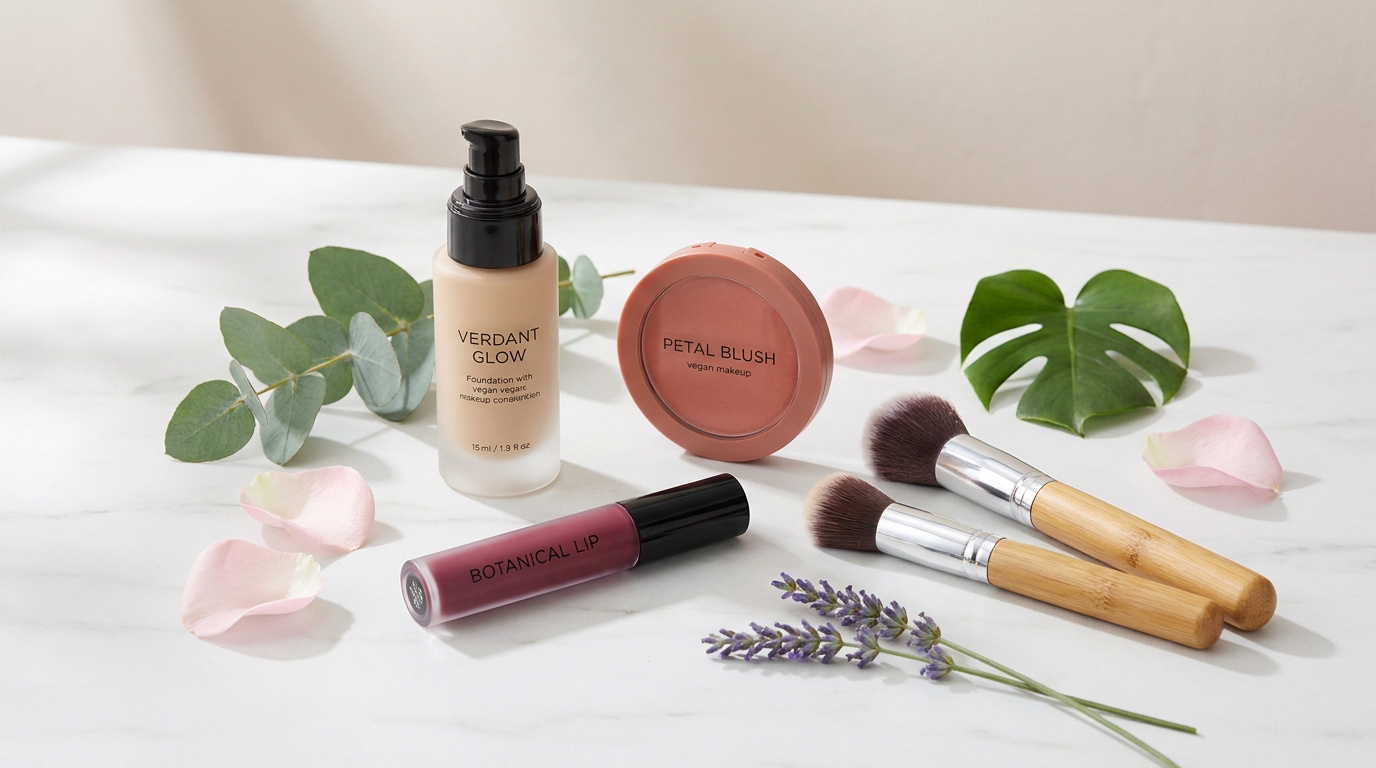
Key takeaway: True vegan makeup requires both botanical formulas and cruelty-free practices. Beyond avoiding animal testing, look for products free from hidden derivatives like beeswax, carmine, or shark-derived squalane. Using high-performance synthetic tools and certified plant-based ingredients ensures an ethical routine that never compromises on pigmentation, hydration, or professional-grade results.
The global market for ethical beauty continues to expand as consumers move away from traditional formulas containing crushed insects or animal fats. Today, high-performance pigments and botanical waxes prove that professional results no longer require animal-derived ingredients like carmine or beeswax.
For collections that pair bold design with a more conscious approach, the creations of Rabanne are worth a look alongside dedicated vegan labels.
Many shoppers still struggle to distinguish between products that aren't tested on animals and those entirely free of animal substances. This guide clarifies the labels and highlights the best vegan makeup essentials to help you build a truly ethical beauty routine.
- The Real Meaning of Vegan Makeup and Ethical Standards
- 3 Face Staples: Foundations, Primers, and Concealers
- Eye Makeup: Mascaras and Shadows
- Lip Collection: Sticks and Glosses
- Why Choose Synthetic Application Tools?
The Real Meaning of Vegan Makeup and Ethical Standards
Vegan makeup excludes all animal-derived substances like beeswax, carmine, and lanolin, focusing on plant-based alternatives. While cruelty-free denotes zero animal testing, true ethical beauty requires both certifications to ensure 100% botanical integrity.
Transitioning from general definitions to the specifics of labeling helps clarify what you are actually buying at the counter.
Vegan Versus Cruelty-Free Certifications
Ingredients and testing are two different beasts. A product can be cruelty-free but still contain honey or milk. Vegan labels focus strictly on the formula's botanical composition.
PETA and Leaping Bunny logos are your best friends here. These third-party seals verify brand claims. They provide a layer of trust for conscious consumers shopping for ethical cosmetics.
Look for these symbols on the back of the packaging. They guarantee strict compliance standards.
Hidden Animal Derivatives to Spot on Labels
Identifying non-obvious ingredients is essential for a true vegan routine. Watch out for squalene sourced from sharks or glycerin from animal fat. Carmine, made from crushed insects, often hides under "Natural Red 4." These derivatives are common in traditional makeup.
Check for synthetic or plant-based alternatives like candelilla wax. These provide the same texture without harming any living creatures.
Avoid these common animal ingredients often found in vegan makeup searches:
- Beeswax (Cera Alba)
- Carmine (CI 75470)
- Lanolin
- Guanine
- Shellac
3 Face Staples: Foundations, Primers, and Concealers
After understanding the labels, let's look at how these ethical formulas perform on your skin, starting with the base.
Botanical Foundations and Coverage
Modern vegan makeup foundations use plant waxes for impressive staying power. These botanical bases replace heavy paraffins. They allow the skin to breathe while maintaining a smooth, even finish all day.
Seed oils like jojoba or rosehip provide natural anti-inflammatory benefits. They soothe the skin while providing medium to full coverage.
Texture remains lightweight and never feels greasy. It is a perfect choice for those with sensitive or acne-prone complexions.
Natural Primers and Skin Prep
Silicone-free primers offer a refreshing grip for makeup application. They use plant cellulose or natural gums to blur pores. This creates a velvety canvas without clogging your pores. Your foundation will glide on much more smoothly with this ethical preparation.
Plant-based concealers effectively hide redness and dark circles. They use mineral pigments for high opacity. These formulas often include vitamin E for extra hydration around the delicate eye area.
Eye Makeup: Mascaras and Shadows
Once your complexion is perfected, you can shift your focus to defining the eyes with high-performance vegan pigments.High-Impact Vegan Lash Formulas
Tubing mascaras are a breakthrough for the vegan beauty industry. They wrap each lash in a polymer film. This technology provides incredible volume without the need for traditional beeswax.
Carbon-black alternatives offer deep intensity without animal testing. These formulas stay put without smudging or flaking during the day.
They are easy to remove with warm water. This prevents irritation and keeps your natural lashes healthy and strong.
Mineral Shadows and Pigment Quality
Mineral-based eyeshadows deliver rich color payoff and silky blending. Ethical brands avoid crushed beetles for red tones. Instead, they use safe iron oxides and natural mica for shimmer.
Natural extracts like green tea help protect the sensitive eye area. These ingredients provide antioxidant benefits while you wear your favorite shades.
| Product Type | Key Vegan Ingredient | Benefit | Finish |
|---|---|---|---|
| Foundation | Jojoba oil | Hydration | Natural |
| Mascara | Plant cellulose | Volume | Defined |
| Eyeshadow | Iron oxides | Pigment | Matte/Shimmer |
| Lipstick | Shea butter | Shine | Creamy |
Choosing "vegan makeup" doesn't mean sacrificing performance. Modern mineral formulas prove that you can achieve professional results while staying true to your values. In fact, your skin will likely thank you for the cleaner ingredients.
Lip Collection: Sticks and Glosses
Moving from the eyes to the lips, the variety of vegan finishes available today is truly impressive.Plant-Based Lipsticks and Finishes
Berry-pigmented lip balms offer deep hydration and a hint of color. They rely on fruit extracts for their vibrant hues. Shea butter and cocoa butter replace lanolin for comfort.
Matte lipsticks use vegetable waxes to achieve a long-lasting effect. They stay creamy on the lips without feeling dry or heavy.
Satin finishes provide a subtle glow using natural oils. These formulas are perfect for everyday wear and professional settings.
Ethical Glosses and Shine
Plant-oil based glosses deliver a high-shine finish without the typical stickiness. They use castor oil or sunflower seed oil for a smooth glide. These ingredients nourish the lips while adding a beautiful reflective quality. You get the look you want with clean ingredients.
Natural resins help the color stay vibrant for hours. These resins are harvested sustainably from trees. They provide a protective barrier that locks in moisture and pigment.
Why Choose Synthetic Application Tools?
A great makeup routine isn't just about the products; the tools you use are just as important for an ethical kit.
Benefits of High-Quality Synthetic Fibers
High-performance fibers like taklon and nylon outperform traditional animal hair. They are more hygienic because they lack a porous surface. This prevents bacteria buildup and product absorption over time.
Synthetic bristles work exceptionally well with cream-based products. They provide a streak-free application.
These brushes are also softer. They are ideal for sensitive skin and easy to clean.
Sustainable Handles and Eco-Packaging
Brands are moving toward aluminum and bamboo handles for their tool kits. These materials are renewable and highly durable. They reduce the reliance on plastic in the beauty industry.
Transitioning your routine doesn't have to happen overnight. Replace your old products one by one as they run out. This approach is more sustainable and less overwhelming for beginners.
Focus on quality over quantity. A few versatile tools can handle any vegan makeup look.
Embracing vegan cosmetics ensures high-performance results using botanical waxes and mineral pigments instead of animal derivatives. Start replacing your staples with certified cruelty-free alternatives today to enjoy ethical, skin-friendly beauty. Your conscious routine creates a radiant future for both your skin and the planet.